
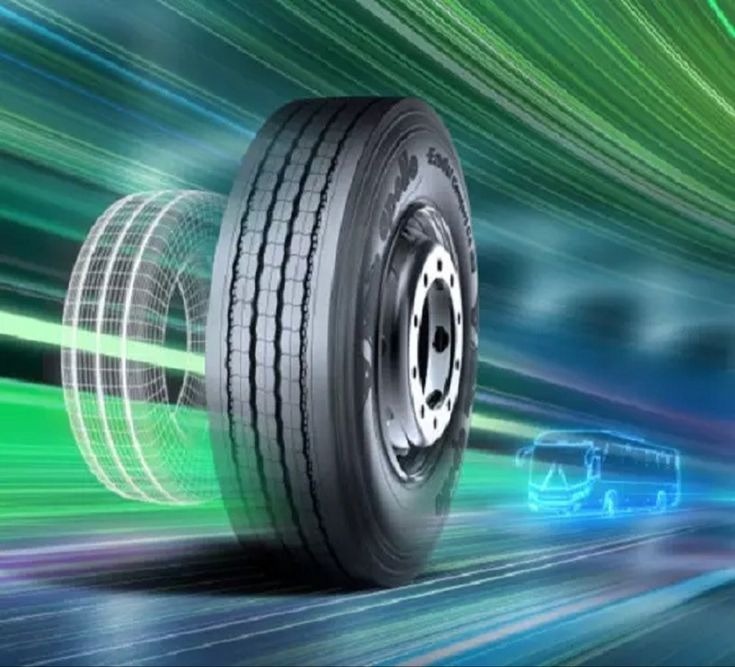
In 2026, the global push toward net-zero emissions has turned every fleet’s operational efficiency into a climate imperative. For logistics companies, agricultural giants, and industrial operators, the most effective tool for reducing a carbon footprint isn’t always under the hood—it’s where the rubber meets the road.
Low Rolling Resistance (LRR) tyres have emerged as a primary lever for sustainability. Here is how they work and why they are essential for modern fleet management.
What is Rolling Resistance?
Rolling resistance is the energy a vehicle must send to its tyres to maintain movement at a consistent speed. The primary culprit is hysteresis—the process where a tyre deforms as it hits the road and then snaps back into shape. This constant flexing generates heat, which is essentially wasted energy.
In heavy-duty trucks and industrial vehicles, rolling resistance can account for up to 30% of total fuel consumption and nearly one-third of all $CO_2$ emissions.
How LRR Tyres Reduce Your Carbon Footprint
1. Advanced Material Science
LRR tyres utilize specialized silica-rich rubber compounds. Unlike traditional carbon black, silica reduces internal friction at a molecular level. This means the tyre runs “cooler,” dissipating less energy as heat and allowing the engine to work less to maintain momentum.
2. Weight and Construction
Manufacturers are increasingly moving toward high-tensile nylon casings and lightweight internal structures. By reducing the “rotational mass” of the tyre, the vehicle requires less torque to start moving. For a fleet of 50 trucks, this small reduction in effort per wheel translates into thousands of tons of $CO_2$ saved annually.
3. Optimized Tread Geometry
The tread of an LRR tyre is often shallower or features a more “closed” design compared to traditional lugs. This minimizes the “squirm” or movement of the tread blocks, which further cuts down on energy loss.
Key Metric: A 10% reduction in rolling resistance typically yields a 1% to 2% increase in fuel efficiency. For a long-haul fleet, this can save thousands of liters of fuel per vehicle every year.
Beyond the Tailpipe: The “Hidden” Green Benefits
Lowering a fleet’s carbon footprint isn’t just about burning less fuel; it’s about the entire lifecycle of the vehicle.
- Extended Vehicle Life: When tyres roll more easily, there is less strain on the drivetrain and transmission. This reduces the frequency of part replacements, lowering the “embedded carbon” cost of maintaining your fleet.
- Compatibility with EVs: For fleets transitioning to Electric Vehicles (EVs), LRR tyres are mandatory. They help overcome “range anxiety” by extending the distance a vehicle can travel on a single charge by up to 10%.
- Regulatory Compliance: With 2026 standards like the VECTO regulations and green initiatives in India, LRR tyres help fleet owners avoid carbon penalties and qualify for green certifications.
The Efficiency Trade-off
While LRR tyres are sustainability champions, they require a disciplined maintenance approach to remain effective:
- Monitoring Pressure: A tyre just 20% under-inflated can increase rolling resistance by 6%, erasing the LRR benefits.
- Wheel Alignment: Misaligned axles increase drag, forcing the engine to burn more fuel to stay straight.
- Load Distribution: Uneven loads cause excessive deformation in specific tyres, leading to heat loss and higher emissions.
0 Comments
This is exactly what i was looking for, thank you so much for these tutorials
It would be great to try this theme for my businesses
What a nice article. It keeps me reading more and more!